GLP Research Peptides — GLP-1, GLP-2 and GLP-3
GLP research peptides are incretin receptor agonists supplied for laboratory investigation of glucose homeostasis, energy balance and receptor pharmacology. This category covers three generations of the class: semaglutide (GLP-1), tirzepatide (GLP-2) and retatrutide (GLP-3). All are manufactured in the USA, third-party tested, and shipped with a Certificate of Analysis per lot.
-
-
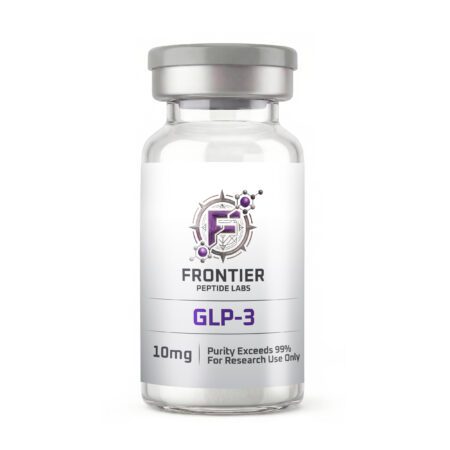
Retatrutide (GLP3) Vial
(0)Price range: $59.99 through $219.99 View Product This product has multiple variants. The options may be chosen on the product page -
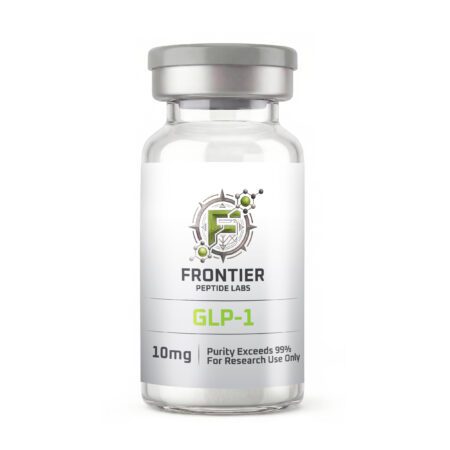
Semaglutide (GLP1) Vial
(0)Price range: $49.99 through $149.99 View Product This product has multiple variants. The options may be chosen on the product page -
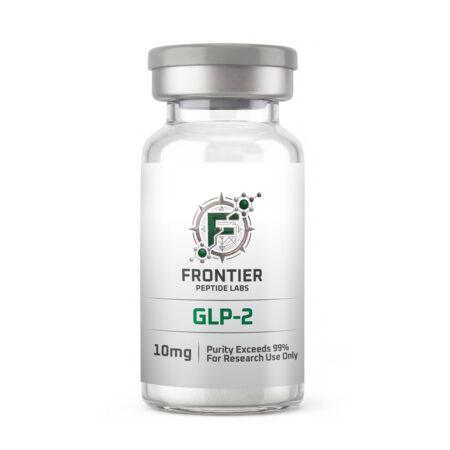
Tirzepatide (GLP2) Vial
(0)Price range: $49.99 through $149.99 View Product This product has multiple variants. The options may be chosen on the product page

What is in this category
Semaglutide (GLP1) is a selective GLP-1 receptor agonist. Tirzepatide (GLP2) is a dual agonist at the GIP and GLP-1 receptors. Retatrutide (GLP3) is a triple agonist at the GIP, GLP-1 and glucagon receptors. Bacteriostatic water is stocked separately for reconstitution.
What GLP-1, GLP-2 and GLP-3 mean here
These labels denote successive generations of incretin receptor agonist, ordered by how many receptors each compound engages — one, two, then three. They are not references to distinct endogenous hormones, and this is a common point of confusion worth stating clearly.
In particular, GLP-2 in this catalogue means tirzepatide, a dual GIP/GLP-1 agonist. It does not mean the endogenous glucagon-like peptide-2 hormone, which is a separate intestinotrophic peptide acting at its own receptor and is not stocked here. Likewise GLP-3 means retatrutide; there is no endogenous “GLP-3” peptide. If your protocol calls for authentic GLP-2, this is not the compound you need.
Mechanism and evidence base
GLP-1 is an incretin hormone released from intestinal L-cells in response to nutrient intake. Signalling through the GLP-1 receptor, a class B G protein-coupled receptor, potentiates glucose-dependent insulin secretion, slows gastric emptying and acts on hypothalamic circuits involved in energy balance. Native GLP-1 has a plasma half-life of roughly two minutes owing to rapid DPP-4 cleavage; the analogues here carry structural modifications that resist that cleavage.
Adding receptors changes the pharmacology. GIP is the second incretin hormone, and co-agonism at GIP and GLP-1 receptors — the tirzepatide profile — produces effects that differ from GLP-1 agonism alone. Adding glucagon receptor agonism, as in retatrutide, introduces a further axis affecting hepatic glucose output and energy expenditure.
This class is unusual in the research-peptide catalogue in that all three compounds have published human clinical trial data rather than preclinical evidence only. Semaglutide and tirzepatide have been evaluated in large randomised phase 3 programmes; retatrutide has published phase 2 data. That distinction matters when reviewing literature — do not treat the evidence base for these compounds as equivalent to that of compounds characterised only in cell or animal models.
Reconstitution and stability
These compounds ship as lyophilised powder. Reconstitute with bacteriostatic water, introducing the solvent down the vial wall rather than directly onto the cake, and swirl rather than shake — peptides of this size are susceptible to shear-induced aggregation. Store lyophilised material at −20 °C and reconstituted solution at 2–8 °C. Our guide to storage and stability of GLP-1 peptides covers this in full, and the peptide reconstitution calculator handles the concentration maths.
Purity and COA verification
Every lot is analysed by an independent laboratory. Identity is confirmed by mass spectrometry against the expected molecular weight and purity by HPLC. Certificates are published on our COA and lab reports page, and our guide to reading a Certificate of Analysis explains how to interpret them.
Frequently asked questions
What are GLP research peptides?
They are incretin receptor agonist compounds supplied in research grade for laboratory study of incretin signalling, glucose regulation and receptor pharmacology. They are not prescription medicines and are not supplied for therapeutic use.
Is GLP-2 here the same as the GLP-2 hormone?
No. GLP-2 in this catalogue is a product label for tirzepatide, a dual GIP/GLP-1 receptor agonist. The endogenous GLP-2 hormone is a separate intestinotrophic peptide with its own receptor and is not stocked in this category.
Why is retatrutide labelled GLP-3?
The label marks it as the third generation in this series — a triple agonist at the GIP, GLP-1 and glucagon receptors. There is no endogenous peptide called GLP-3.
What is the difference between semaglutide, tirzepatide and retatrutide?
Receptor coverage. Semaglutide engages the GLP-1 receptor only. Tirzepatide engages GIP and GLP-1. Retatrutide engages GIP, GLP-1 and glucagon. Each addition alters the pharmacological profile.
How are GLP research peptides reconstituted?
With bacteriostatic water added slowly down the vial wall, swirled rather than shaken. Concentration is the peptide mass stated on the Certificate of Analysis divided by the solvent volume added.
Are these the same as prescription GLP-1 medications?
No. These are research-grade compounds supplied for laboratory use only. They are not approved pharmaceutical products, are not dispensed under prescription, and are not intended for human or veterinary consumption.
Research use only. All products in this category are intended solely for laboratory research and are not for human or veterinary use, consumption, or any therapeutic application. Nothing on this page is medical advice or a claim of safety or efficacy. Statements have not been evaluated by the FDA.